
A central heating system is a closed system filled with water, which is used to heat a building. Over time, this water becomes contaminated and can lead to malfunctions and reduced efficiency. Small undissolved particles such as rust, limescale, and sludge accumulate and can cause damage. Fortunately, there is a simple solution: the dirt separator. In this blog, you'll learn what a dirt separator does, how dirt enters your system, and why this small device can make such a big difference.
How does a dirt separator work in your central heating system?
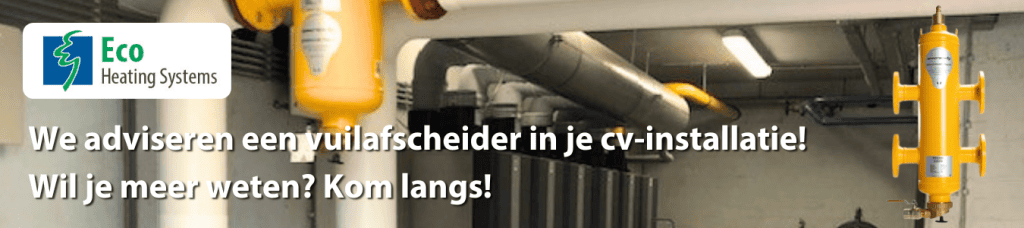
A dirt separator removes solid particles from the water in your central heating system. This includes magnetite (iron oxides, black rust particles), limescale, sand, metal shavings, and other contaminants. Most dirt separators combine mechanical separation with a strong magnet to effectively filter out both coarse debris and fine metal particles. They are usually installed in the return pipe to the boiler, so that dirt is captured before it can cause damage.
How does dirt get into your central heating system?
Over time, the water in a central heating system becomes contaminated. Even in new systems, dirt can build up quickly. Water contains oxygen, which reacts with metal components such as pipes and radiators. This corrosion leads to the formation of rust and magnetite. In addition, refilling the heating system introduces oxygen-rich water into the system. This "new" water is often untreated and brings limescale and minerals into the system. Wear and tear of moving parts, such as pumps and valves, can also release fine particles into the water. All these contaminants circulate throughout the system and tend to accumulate in areas where they can cause damage to components in the boiler or the heating system.
Why is a dirt separator important?
Installing a dirt separator in your central heating system offers several benefits.
- Protection of the boiler. It prevents blockages and wear of vulnerable components.
- Higher efficiency. A clean heat exchanger ensures more efficient heat transfer.
- Fewer malfunctions. Dirt can block moving parts or contaminate sensors.
- Longer system lifespan. Less wear on components.
- Lower energy consumption. A clean system operates more efficiently and uses less gas or electricity.
- Flushing the dirt separator filter during boiler maintenance.
A dirt separator requires little maintenance. Periodically draining the collected dirt and cleaning the magnet (for magnetic types) is sufficient. This can be done during a regular service of your central heating boiler. It is also advisable to have the heating system water analyzed regularly. Eco Heating Systems can arrange this for you.
Recommendation to install a dirt separator
A dirt separator is an investment that quickly pays off through fewer breakdowns, lower energy consumption, and a longer lifespan for your installation. Whether you have an existing boiler system or are installing a new one, adding a dirt separator is always a smart choice. You can also opt for a dirt separator that removes both dirt and air from the system. This is the most effective solution for optimal performance. Proper venting is especially crucial if your heating system is powered by a heat pump. Read more about this topic and the degassing of system water.
What type of dirt separator do you need?
Do you have questions about which type of dirt separator is suitable for your situation? Feel free to contact us. We can also advise you on a new central heating boiler installation. Feel free to visit our factory as well, so you can see our systems firsthand during the production process.


 Back to the overview
